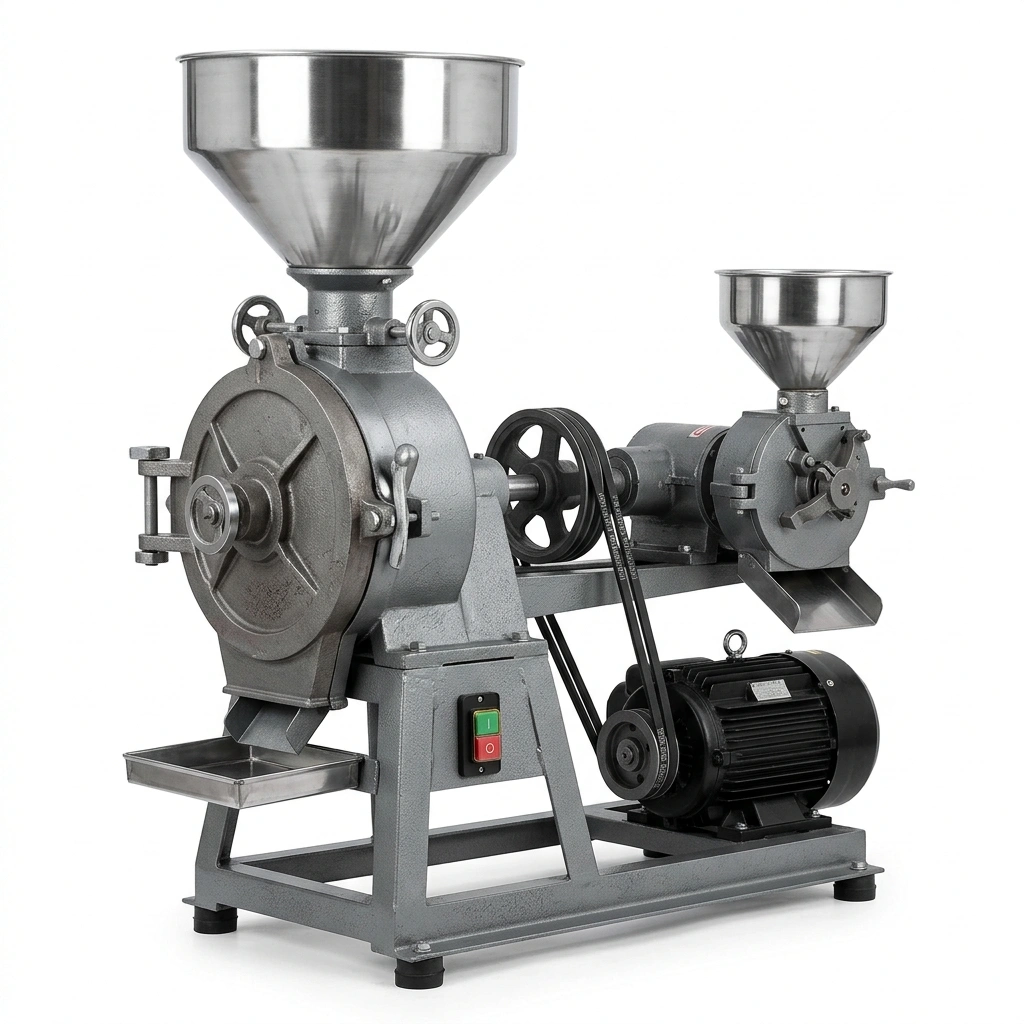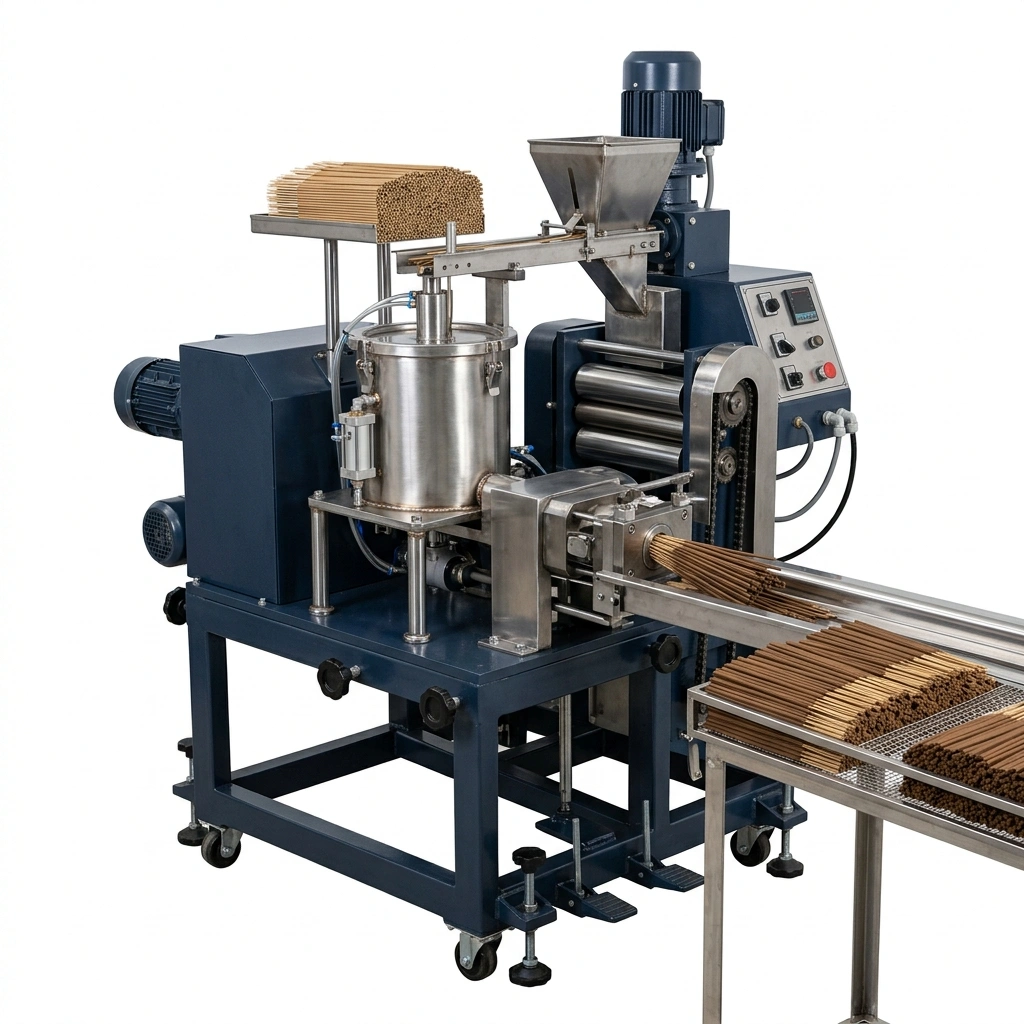
Industry Overview & Commercial Opportunity
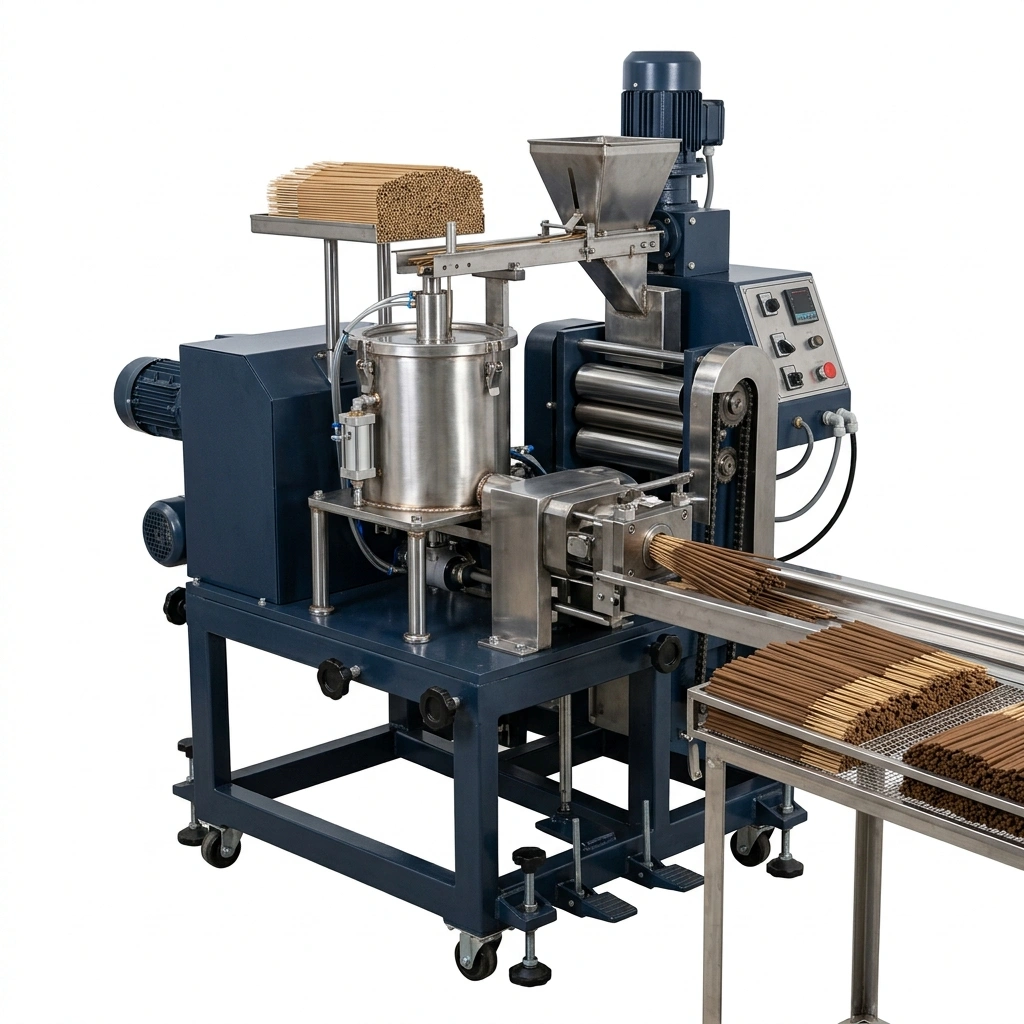
Deciding between entry-level manual pedal machines and modern high-speed automatic agarbatti manufacturing plants is the most critical decision for new incense entrepreneurs. While manual setups require low initial capital, their high labor fatigue and limited output restrict commercial growth compared to automatic lines.
Automatic machines produce uniform coating thickness, zero stick wastage, and smooth burning quality that command top prices from incense brand packers, whereas manual sticks often suffer from uneven burning and high breakage.
Machinery Specifications & Technical Parameters
The table below details standard operational parameters, electric power demands, and production capacities for commercial grade units supplied directly by Bangasree Machinery:
| Parameter / Component | Industrial Technical Specification |
|---|---|
| Machine Type | Manual Pedal Model vs Fully Automatic Vietnam Feeder |
| Daily Output (8 Hrs) | 15 - 20 kg/day (Manual) vs 160 - 220 kg/day (Automatic) |
| Sticks Produced per Minute | 40 - 60 sticks/min (Manual) vs 1,400 - 1,800 sticks/min (Automatic) |
| Labor Dependency | 1 Worker produces 18 kg vs 1 Worker oversees 200 kg |
| Stick Coating Uniformity | Variable manual thickness vs Precision 3.0mm CNC Die |
| Initial Capital Investment | ₹20,000 - ₹25,000 (Manual) vs ₹60,000 - ₹75,000 (Automatic) |
Raw Material Economics & Unit Cost Breakdown
Accurate raw material estimation and operating cost calculations per unit produced:
| Cost Factor / Material Grade | Unit Cost & Conversion Ratio |
|---|---|
| Financial Parameter | Manual Machine vs Automatic Machine |
| Labor Cost per Kg of Sticks | ₹22.00 (Manual) vs ₹3.50 (Automatic) |
| Raw Material Wastage Rate | 6% to 8% (Manual) vs Under 0.8% (Automatic) |
| Monthly Net Profit | ₹15,000 - ₹22,000 (Manual) vs ₹1,10,000 - ₹1,80,000 (Automatic) |
| Machine Payback Period | 6 Months (Manual) vs 2 Months (Automatic) |
Monthly Profit Margin & ROI Payback Analysis
Commercial profitability matrix based on an 8-hour single shift production schedule across 26 working days per month:
| Revenue & Cost Factor | Financial Figures (INR) |
|---|---|
| Automatic Machine Daily Profit | ₹4,800 / Day |
| Monthly Revenue (26 Working Days) | ₹1,24,800 |
| Annual Net Income | ₹14,97,600 |
Step-by-Step Factory Setup & Manufacturing Process
- Evaluate Target Market Volume: Determine if you are selling small batches locally or supplying wholesale quintals to distributors.
- Check Electric Power: Automatic units run on standard single-phase 220V power consuming under 1.5 units/hr.
- Source Hardened Steel Dies: Ensure rocket dies are made from tungsten carbide for long life.
- Commission Automatic Feeder: Calibrate sensor alignment for continuous stick drop without jamming.
- Scale to Multi-Machine Unit: Reinvest initial 3 months profit to add a second automatic machine.
Government MSME Subsidy & Financing Support
PMEGP and Mudra loan schemes provide 85% project financing for purchasing automated machinery. Bangasree Machinery provides project reports, quotation invoices, and documentation support to facilitate rapid bank loan approvals under PMEGP and Mudra loan schemes across all 36 States & UTs of India.
Recommended Machine & Pan-India Delivery Links
Explore machinery specifications, prices, and statewide dispatch logistics:
Frequently Asked Questions (FAQs)
Launch Your Manufacturing Plant with Bangasree Machinery
Get factory-direct wholesale pricing, 1-year replacement warranty, video engineer installation support, and door delivery across all 36 States & 800+ Districts.